
The post Every Animal You’ll See in North Cascades National Park appeared first on A-Z Animals.
The North Cascades National Park is located in Washington State and spans more than 500,000 acres, including part of the North Cascades Mountains. However, despite its stunning location and diverse range of habitats, North Cascades is one of the lesser-known national parks in the United States, receiving only 16,500 visitors in 2024. That’s not due to a lack of things to do, though, as popular activities include hiking, biking, boating, and mountaineering. If you’re out exploring, then you’ll want to know what animals you might encounter, so take a look at this list below!
Bald Eagle
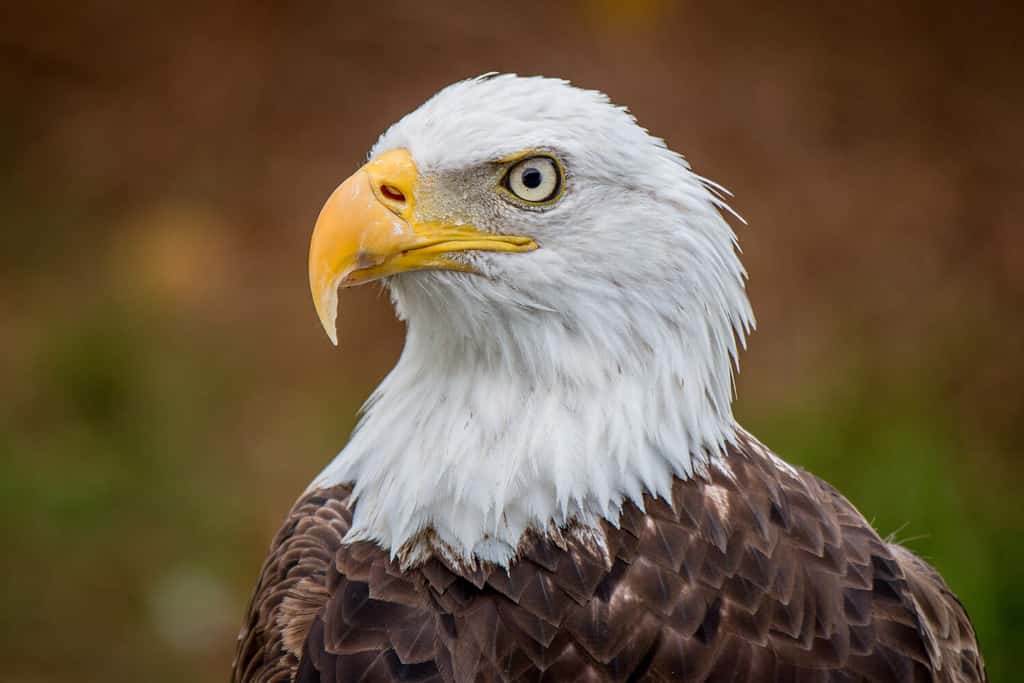
Bald eagles can be found in wetland habitats in the national park.
©Kevin Tubbergen/Shutterstock.com
The iconic bald eagle (Haliaeetus leucocephalus) is one of the most common sights in the North Cascades, especially during the winter. The Skagit River is known for having a significant winter population of them. They’re not restricted to the Skagit River; they can be found in any wetland habitat with plenty of fish to feed on.
Bats
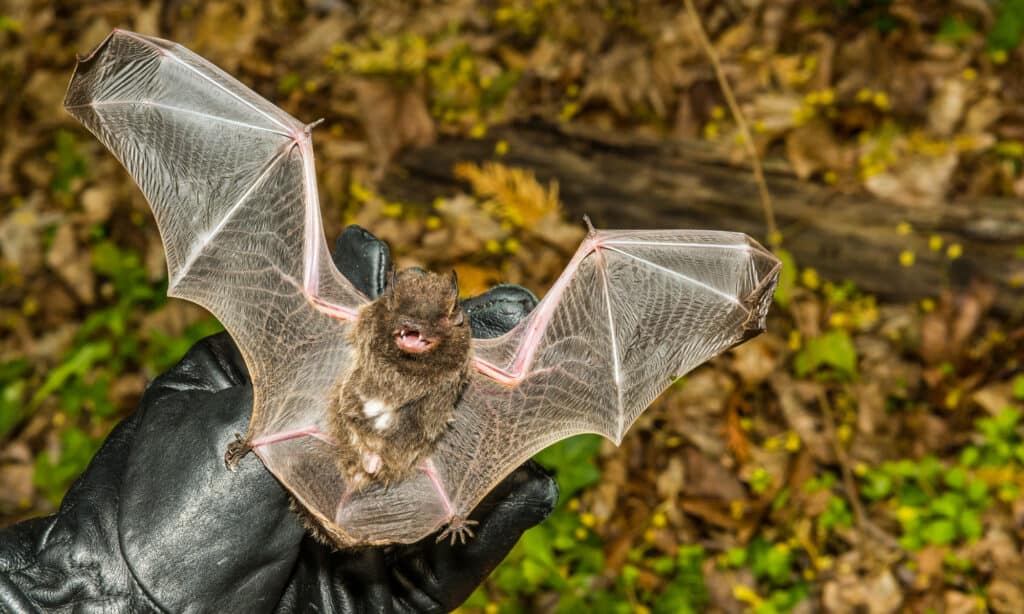
The silver-haired bat is one of twelve species present in the park.
©Jay Ondreicka/Shutterstock.com
There are twelve species of bats living in the North Cascades, and most can be found in mature forests. The big brown bat (Eptesicus fuscus), the little brown bat (Myotis lucifugus), and the silver-haired bat (Lasionycteris noctivagans) are some of the most common species. Many of the species can be difficult to distinguish, but silver-haired bats have thick, gray fur on their tails, giving them a silvery appearance.
Bears
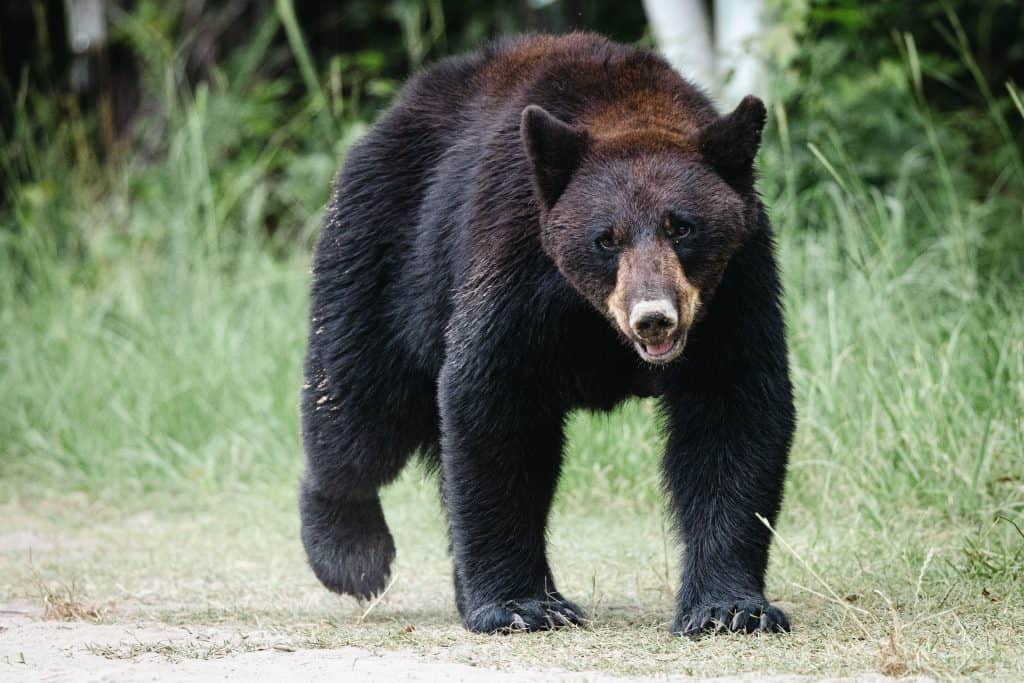
Black bears can be found in most habitats across the national park.
©Wirestock Creators/Shutterstock.com
Bears are the largest predators in North Cascades National Park. Black bears are common and can be found in forests and woodlands across the park. They mainly eat fruit and vegetation, but they are also capable of taking down young deer. Therefore, it’s important to stay alert and never approach or disturb a bear if you spot one.
Belted Kingfisher
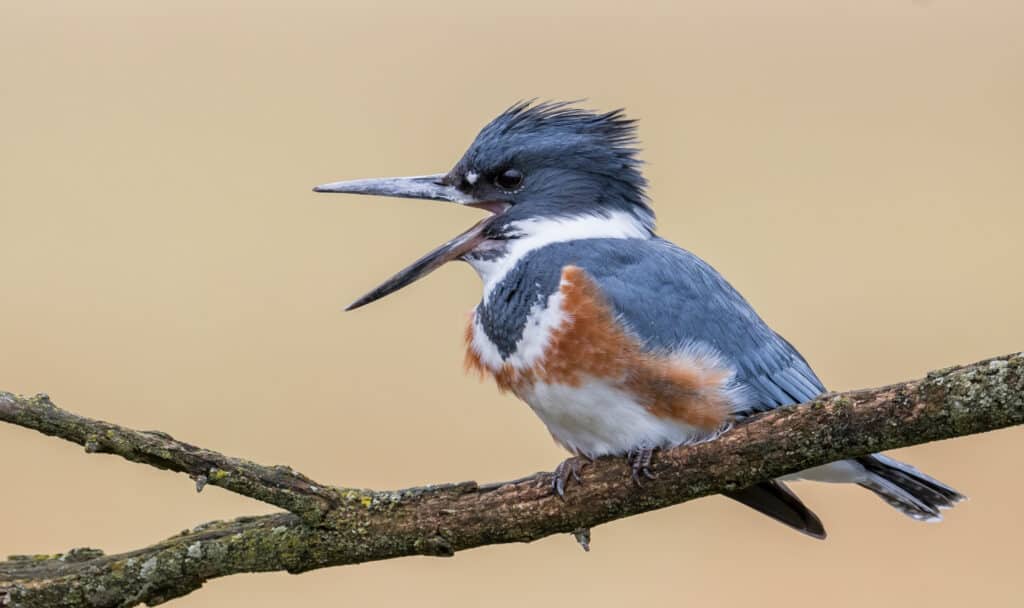
Belted kingfishers have a shaggy crest on their head.
©Harry Collins Photography/Shutterstock.com
If you’re anywhere near water, then you might spot a belted kingfisher (Megaceryle alcyon). They are medium-sized birds at around 11 to 14 inches long, but have a distinctive appearance, with a shaggy crest of feathers on their head. Belted kingfishers do not nest in trees; instead, they prefer to nest in tunnels, which they make in the riverbank. They mainly prey on small fish but will also eat amphibians and small insects.
Coyote
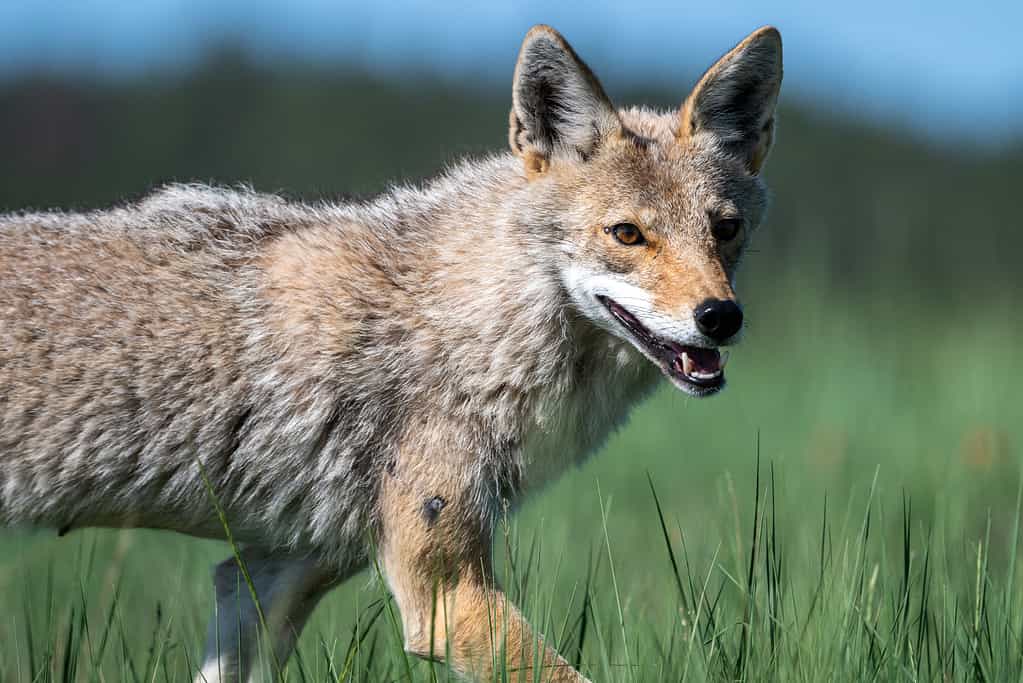
Coyotes live in small family groups.
©Brian Reinke/iStock via Getty Images
Although coyotes (Canis latrans) are present in the park, they are not seen quite as often as some of the other animals on the list. However, they are capable of living in a variety of habitats and prey on a range of animals, including rodents, rabbits, and birds. They typically live in small family groups, although they may also be seen alone.
Flycatchers
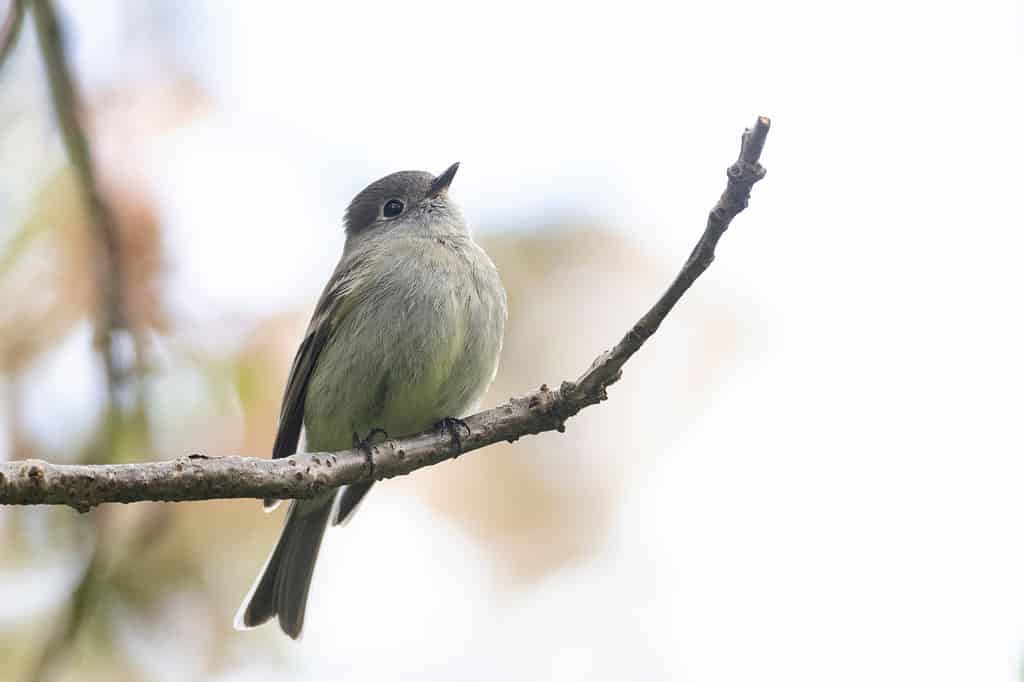
Hammond’s flycatcher is a small species of flycatcher that spends the spring and summer in the North Cascades.
©Feng Yu/Shutterstock.com
You might also spot some flycatchers while you’re in the North Cascades, as there are several species present. Many of the flycatchers in the park are migratory, spending the spring and summer breeding seasons there before heading south for the winter. Pacific-slope flycatchers (Empidonax difficilis) and Hammond’s flycatchers (Empidonax hammondii) are some of the most common and can be found nesting in forests.
Frogs
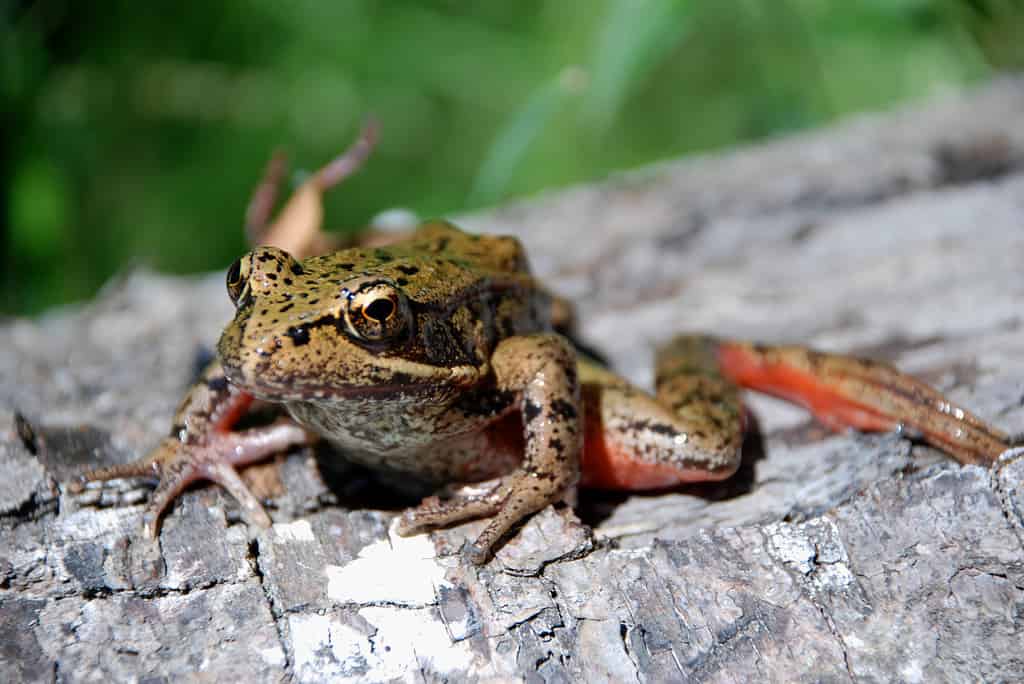
Northern red-legged frogs can be found in the national park.
©Amy Devine/Shutterstock.com
Amphibians are also common in the park, so you might see the northern red-legged frog (Rana aurora) in and around ponds and streams. Northern red-legged frogs are so named due to their red hind legs, although they also have a reddish-colored body. Other species of frogs in the park include the Pacific tree frog and the Cascades frog.
Gray Wolf
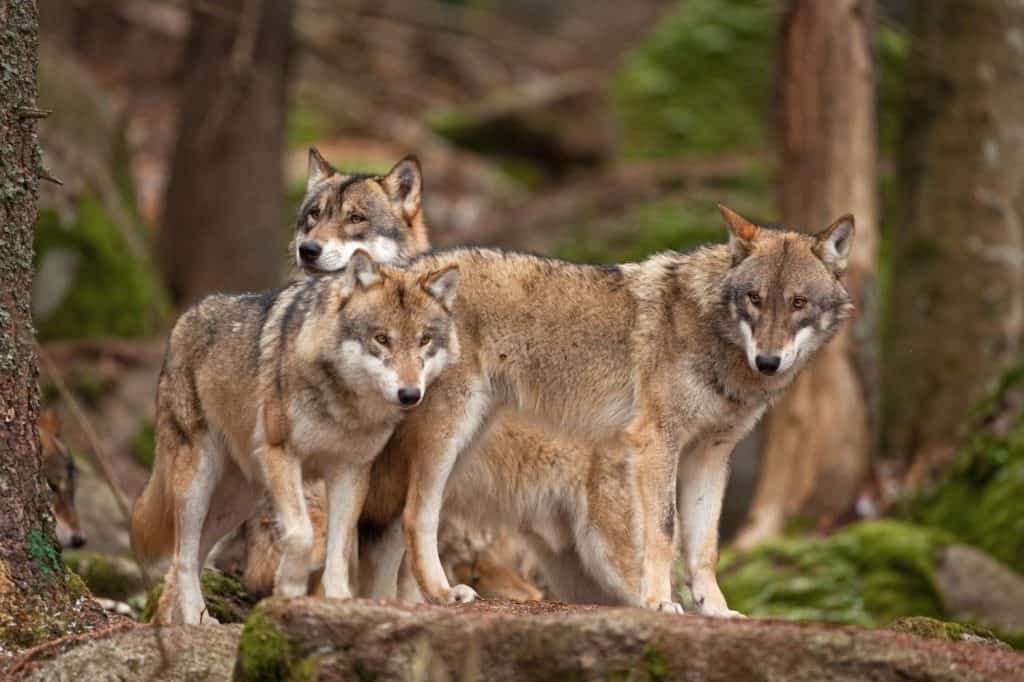
Gray wolves can be found in the mountains.
©Martin Prochazkacz/Shutterstock.com
Although they are not particularly common in the park, gray wolves (Canis lupus) are present. Their numbers are much lower than their historical levels in the North Cascades, but the rugged, mountainous habitat is the perfect place for them to live and hunt.
Hoary Marmot
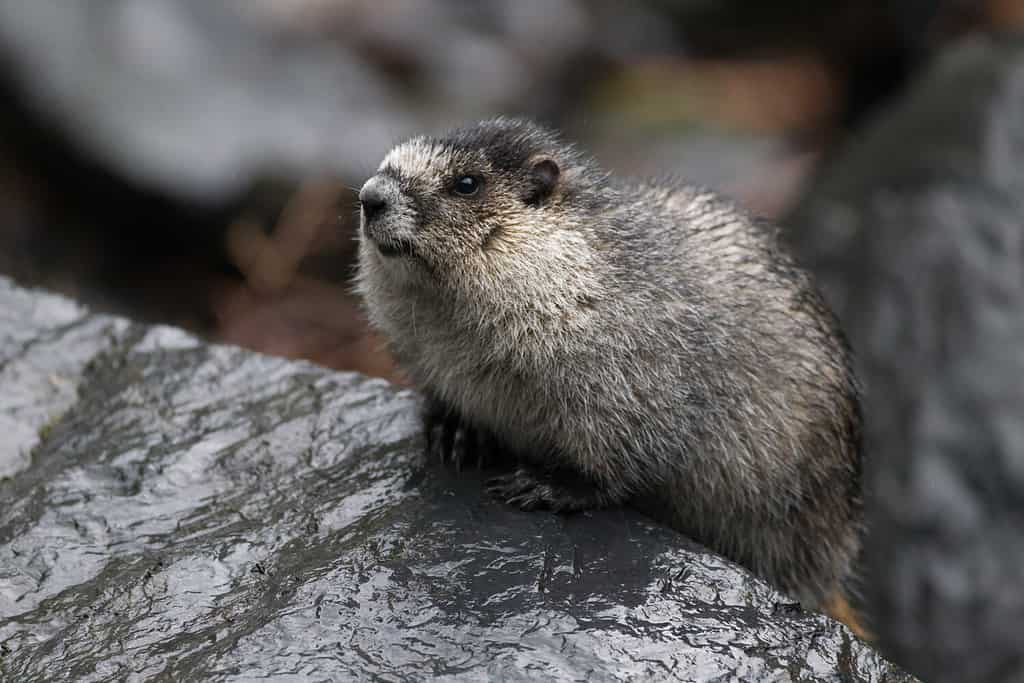
The hoary marmot can be found in mountainous areas.
©Alexandre Boudet/Shutterstock.com
Hoary marmots (Marmota caligata) are some of the most common animals in the North Cascades. They are ground squirrels and measure approximately 24 to 32 inches long, including their tails. Hoary marmots live in mountainous areas and eat a variety of leaves and grasses. They live in burrows but also have several ‘refuge burrows’ that they use to escape from predators. Hoary marmots are vocal animals and are known to whistle to alert others to the presence of a predator.
Hummingbirds
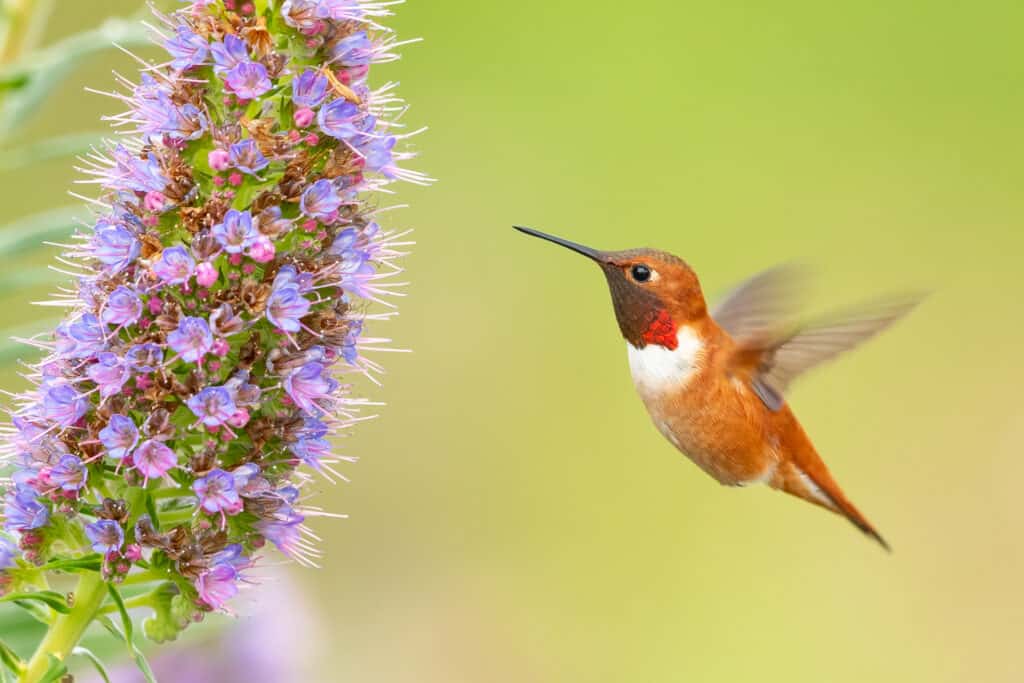
Male rufous hummingbirds are brightly colored, with a reddish-orange face.
©Keneva Photography/Shutterstock.com
Hummingbirds are another group of migratory birds, and there are many species that migrate south for the winter before returning to the park in the spring. Rufous hummingbirds (Selasphorus rufus) are some of the most abundant and can be found around mountain meadows and forest edges. They are around 3.5 inches long, and males are particularly easy to spot due to their bright orange throat patch. Some of the other species that you might see include Anna’s hummingbirds and calliope hummingbirds, although these are not as common.
Mule Deer

You can find mule deer right across the North Cascades National Park.
©Christopher M Hall/Shutterstock.com
Mule deer (Odocoileus hemionus) are also commonly seen throughout the national park. They are known for their particularly large ears, but they can also be distinguished by the black tip on their tail. Mule deer can reach 3.5 feet at the shoulder, and males can weigh up to 330 pounds.
Osprey
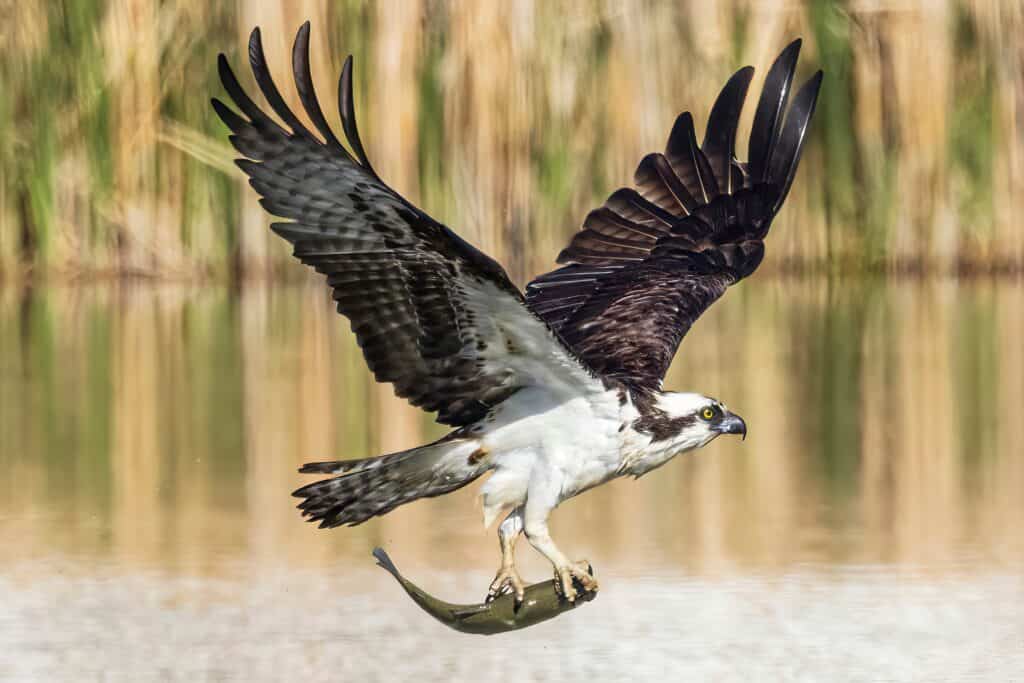
Ospreys catch fish by diving underwater, either foot first or by submerging their whole bodies.
©BlueBarronPhoto/Shutterstock.com
Another bird that you’ll find around water is the osprey (Pandion haliaetus), which is most often seen during the summer months in the North Cascades. Ospreys are approximately 24 inches long and can be distinguished by their brown back and white belly. Ospreys typically catch their prey by diving into the water, so they have an oily substance on their feathers to make them waterproof.
Pika
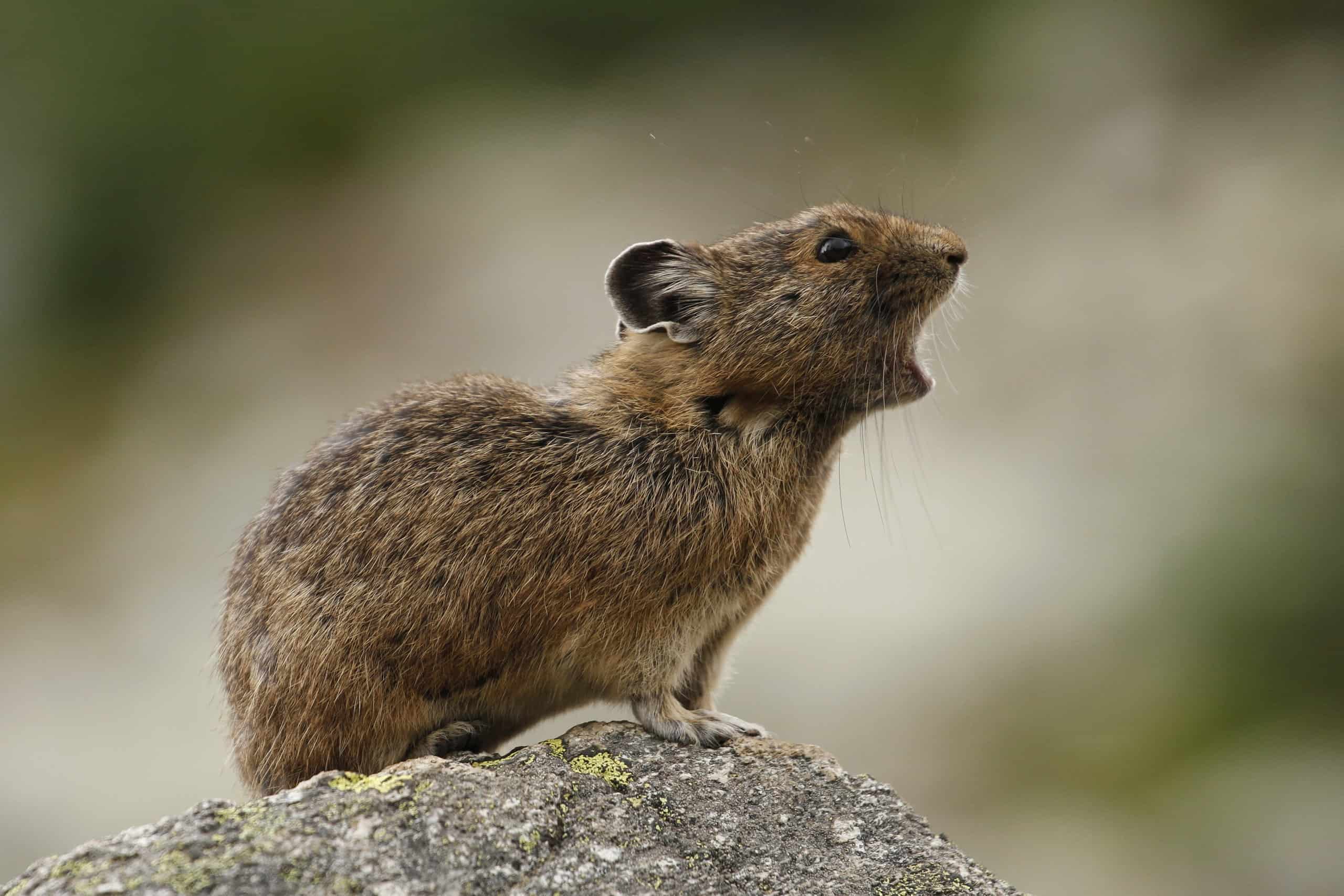
Pikas often live on rocky talus slopes in the North Cascades.
©iStock.com/Shayne Kaye
If you’re exploring any of the talus slopes, then you might also spot some pikas (Ochotona princeps). Pikas are small mammals with a round-shaped body that is no more than 8.5 inches long. They have a very short tail, large, rounded ears, and thick fur that protects them from the cold at high elevations. Pikas are herbivores and eat a wide variety of vegetation.
Salamanders
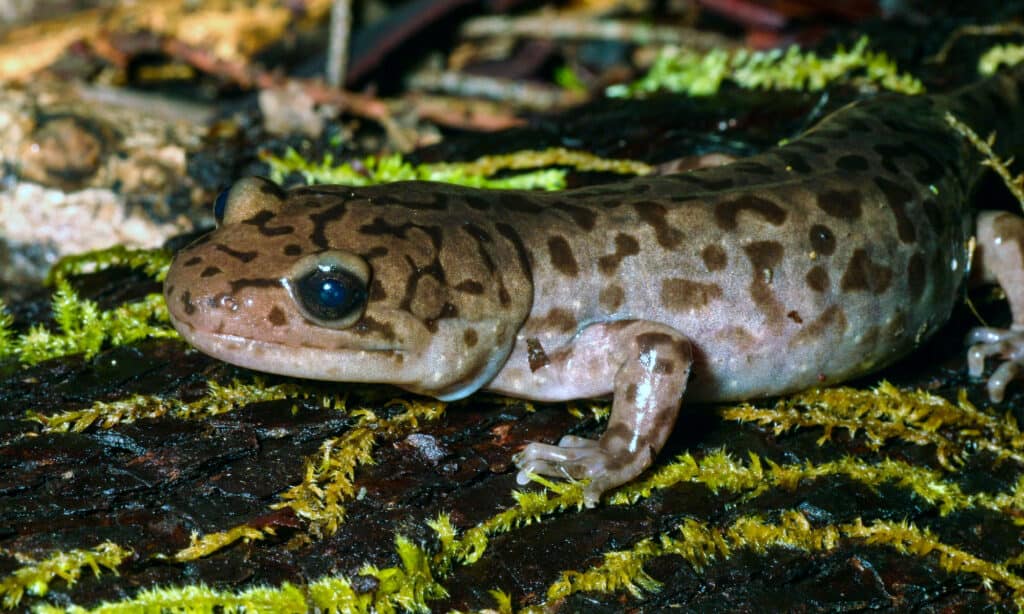
Pacific giant salamanders reach 14 inches long and can be found in the North Cascades.
©Michael Benard/Shutterstock.com
There are also several species of salamanders living in the national park. Long-toed salamanders (Ambystoma macrodactylum) are some of the most common and live in a variety of habitats, including forests and meadows. They are named for the longer toe on the outside of their hind feet. Although not as common as the long-toed salamanders, you might also spot Pacific giant salamanders and western red-backed salamanders. Pacific giant salamanders, in particular, can be up to 14 inches long.
Snakes
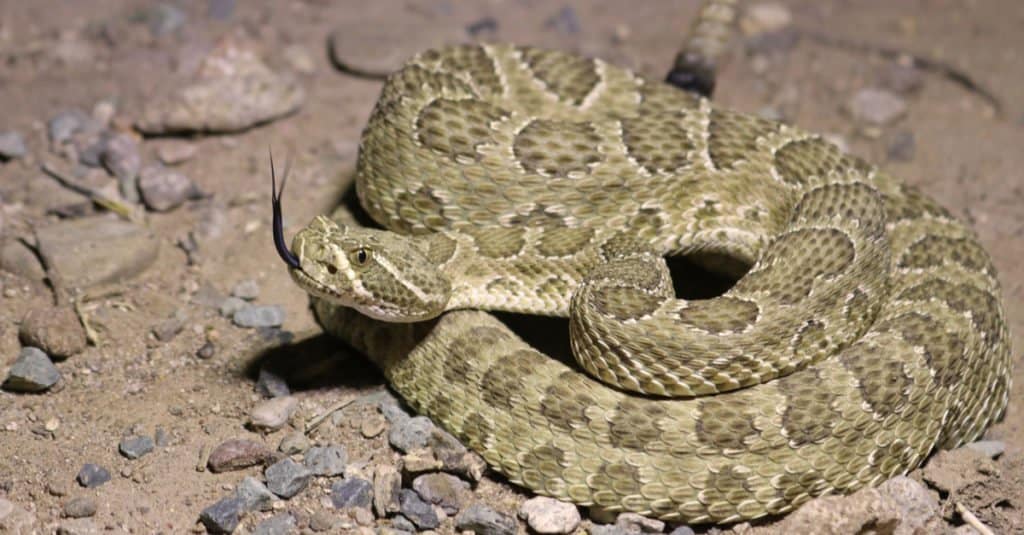
The prairie rattlesnake is the only venomous snake in the national park.
©Creeping Things/Shutterstock.com
The only venomous snake in the North Cascades is the prairie rattlesnake (Crotalus viridis), which lives in habitats such as prairies, grasslands, and forests. They average three feet long and are typically light brown with darker markings. There are also several species of non-venomous snakes in the park, with the common garter snake being one of the most abundant species. However, you might also come across western terrestrial garter snakes, western yellow-bellied racers, and rubber boas.
Squirrels
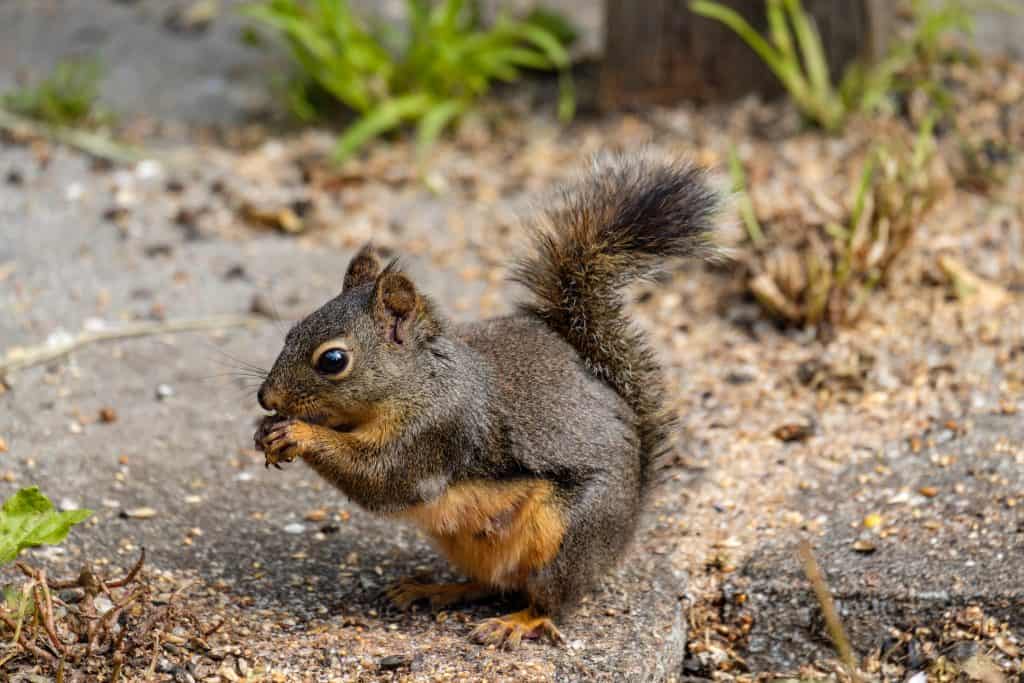
Douglas squirrels have a distinctly orange belly.
©StoneMonkeyswk/Shutterstock.com
You’re also likely to spot squirrels scampering along tree branches. Douglas squirrels (Tamiasciurus douglasii) are common and can be found in mature coniferous forests. Red squirrels and gray squirrels are also present in the park, although they are less common. Douglas squirrels can be distinguished from gray squirrels by their orange-colored chests and bellies.
Vireos
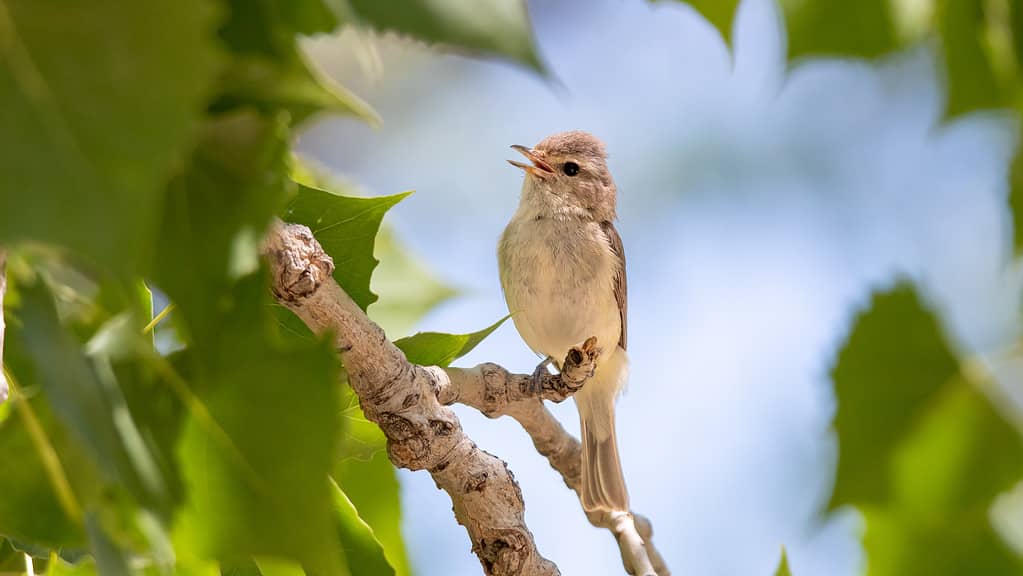
Vireos are small, vocal birds found in forests and woodlands.
©Joseph Webber/iStock via Getty Images
You’ll hear birds all over the park, and vireos are particularly vocal, despite their small size. Vireos can be found in woodlands and forest edges and typically nest in trees. Warbling vireos (Vireo gilvus) are one of the more common species, but you’ll also find red-eyed and Cassin’s vireos in the region.
Western Toad
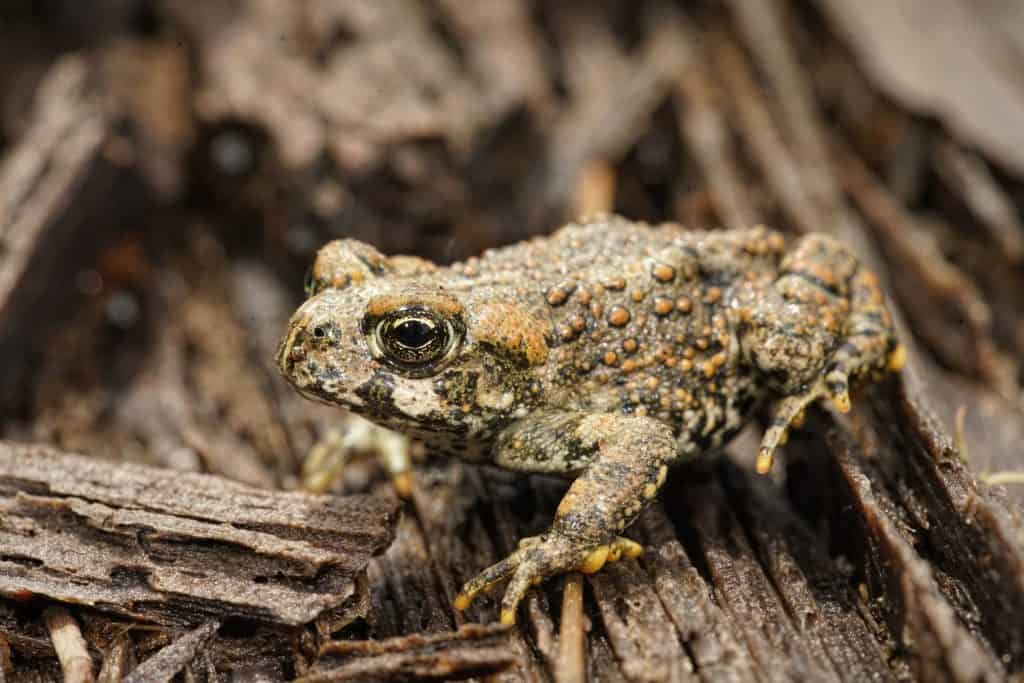
Western toads can be found in ponds and streams.
©HWall/Shutterstock.com
You’ll also want to keep your eyes peeled for western toads (Anaxyrus boreas). Western toads are common throughout the park but prefer forests or meadows with a suitable freshwater habitat, such as a pond or a stream. They typically have a whitish-colored stripe down their back, although it’s not as prominent on juveniles.
Woodpeckers
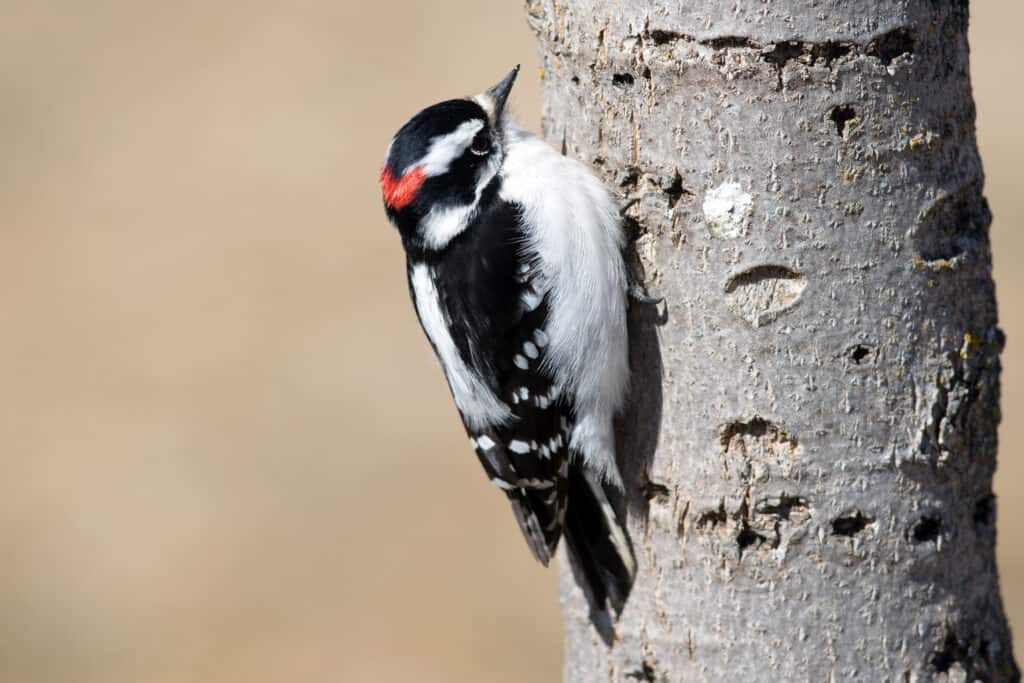
Downy woodpeckers are one of several woodpeckers in the North Cascades.
©Northernguy/Shutterstock.com
Woodpeckers are also widespread across the park, with the downy woodpecker, hairy woodpecker, and northern flicker being the most common species. Downy woodpeckers and hairy woodpeckers have a very similar appearance. However, the downy woodpecker is the smaller of the two at only five to seven inches long. Both can be found in forests, where they forage in the trees for insects. The northern flicker also eats insects, but is predominantly a ground feeder and can often be found in open habitats at the edge of woodlands.
The post Every Animal You’ll See in North Cascades National Park appeared first on A-Z Animals.
November 12, 2025 at 10:32PMHannah Ward.jpeg)


.jpeg)

0 Comments